

The Overlooked Culprit Behind Chronic Redness: Resetting Your Tear Film at Our Ocular Surface Center

Persistent eye redness can be frustrating, especially when eye drops provide only temporary relief. While allergies, irritation, and infections can cause red eyes, an overlooked contributor is an unstable tear film. At Noble Eyes & Vision Center, we help patients in University Place and Puyallup, WA, identify the underlying causes of chronic redness through personalized ocular surface evaluations and dry eye treatment.
How Your Tear Film Affects Eye Redness
Your tear film does more than keep your eyes moist. It protects the ocular surface, maintains comfortable vision, and helps prevent irritation. A healthy tear film contains three essential components: oil, water, and mucin.
When these components become unbalanced, tears may evaporate too quickly or fail to coat the eye properly. This can contribute to inflammation, irritation, and persistent redness.
One common cause is meibomian gland dysfunction (MGD), which occurs when the oil-producing glands along the eyelids become blocked or function poorly. Without sufficient oil, tears evaporate faster, leaving the eyes vulnerable to dryness and discomfort.
Signs Your Redness May Be Related to Dry Eye
Chronic redness often appears alongside other symptoms of ocular surface disease. Common warning signs include:
Redness that returns despite using eye drops
Burning, stinging, or gritty sensations
Watery eyes caused by reflex tearing
Fluctuating or blurry vision
Discomfort during prolonged screen use
If these symptoms sound familiar, our team in University Place and Puyallup can evaluate whether tear film instability or another eye condition is contributing to your discomfort.
Why Redness-Relief Drops May Not Solve the Problem
Many over-the-counter redness-relief drops temporarily constrict blood vessels, making the eyes appear whiter without addressing the underlying irritation. Frequent use of certain products can also lead to rebound redness.
Artificial tears may provide temporary relief by lubricating the eyes, but persistent symptoms often require a more targeted approach.
At Noble Eyes & Vision Center, we focus on identifying what is disrupting the ocular surface rather than simply masking visible redness.
Resetting Your Tear Film With Personalized Treatment
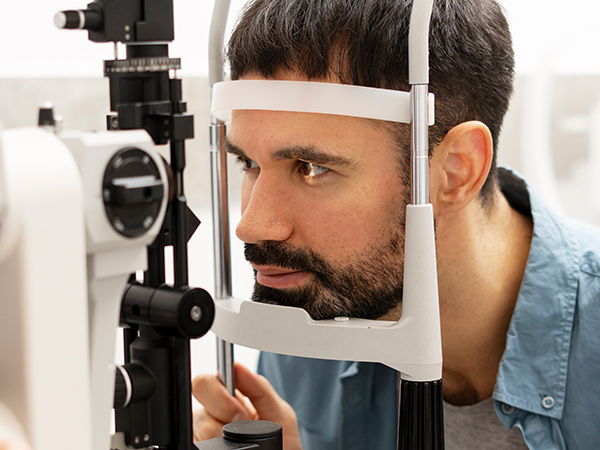
Restoring tear film stability begins with understanding the cause of your symptoms. During an ocular surface evaluation, we assess factors such as tear quality, eyelid health, and signs of inflammation.
Depending on our findings, treatment may involve improving eyelid hygiene, supporting tear production, or addressing meibomian gland dysfunction.
Our ocular surface disease services also include specialized treatment options such as intense pulsed light (IPL) therapy and TempSure radiofrequency treatment. These technologies may help address certain inflammatory conditions and meibomian gland dysfunction in appropriately selected patients.
Because chronic redness can have multiple causes, we tailor treatment recommendations to each patient's eye health and individual needs.
When to Schedule an Ocular Surface Evaluation
If your eyes remain red, irritated, or uncomfortable despite using lubricating drops, an evaluation can help determine whether dry eye disease is responsible.
Persistent redness should not be ignored, particularly when symptoms worsen or interfere with daily activities. Sudden vision changes, severe eye pain, or significant light sensitivity require prompt medical attention.
At Noble Eyes & Vision Center, we provide personalized dry eye and ocular surface care in University Place and Puyallup, WA. To schedule an evaluation for chronic eye redness, contact our University Place office at (253) 472-1188 or our Puyallup office at (253) 845-8215.
Quick Links
Helpful Articles
All Eye Care Services
Find personalized eye care excellence with our comprehensive services. From eye exams to advanced diagnostics, trust us for all your vision needs.

Keep In Touch
For non-urgent questions or to learn more about our services, contact us today!
Contact Info
- 5016 Bridgeport Way W
University Place, WA 98467 - Phone: (253) 472-1188
- Fax: (253) 472-3594
- 113 W Pioneer Ave
Puyallup, WA 98371 - Phone: (253) 845-8215
- Fax: (253) 845-7030
Hours of Operation
- Monday 10:00am - 6:00pm
- Tuesday 10:00am - 6:00pm
- Wednesday 11:00am - 6:00pm
- Thursday 10:00am - 6:00pm
- Friday 10:00am - 6:00pm
- Saturday Closed
- Sunday Closed
- Monday 10:00am - 6:00pm
- Tuesday 10:00am - 6:00pm
- Wednesday 11:00am - 6:00pm
- Thursday 10:00am - 6:00pm
- Friday 10:00am - 6:00pm
- Saturday Closed
- Sunday Closed
- Monday
- Tuesday
- Wednesday
- Thursday
- Friday
- Saturday
- Sunday
Contact Info
- 113 W Pioneer Ave
Puyallup, WA 98371 - Phone: (253) 845-8215
- Fax: (253) 845-7030
Hours of Operation
- Monday 10:00am - 6:00pm
- Tuesday 10:00am - 6:00pm
- Wednesday 11:00am - 6:00pm
- Thursday 10:00am - 6:00pm
- Friday 10:00am - 6:00pm
- Saturday Closed
- Sunday Closed
© 2026 Noble Eyes & Vision Center. All rights Reserved - Accessibility Statement - Privacy Policy - Sitemap
Managed and Designed by 